


“The greatest gifts we can give our children are the roots of responsibility and the wings of independence.”
— Maria Montessori

The Montessori Approach
The Montessori Method of education is named after Italian physician Dr Maria Montessori, who founded the approach in 1906. Dr Montessori believed that children learn best when they are able to discover concepts for themselves through hands-on experience, using their senses, and within a carefully prepared environment designed to support their development.
Through extensive observation of children, particularly those under six years of age, Dr Montessori identified key principles that form the foundation of the Montessori Method. She described two major aspects of development during the early years (ages 0–6).


Living the Montessori Method at O’Brien’s Montessori Centre
The Absorbent Mind
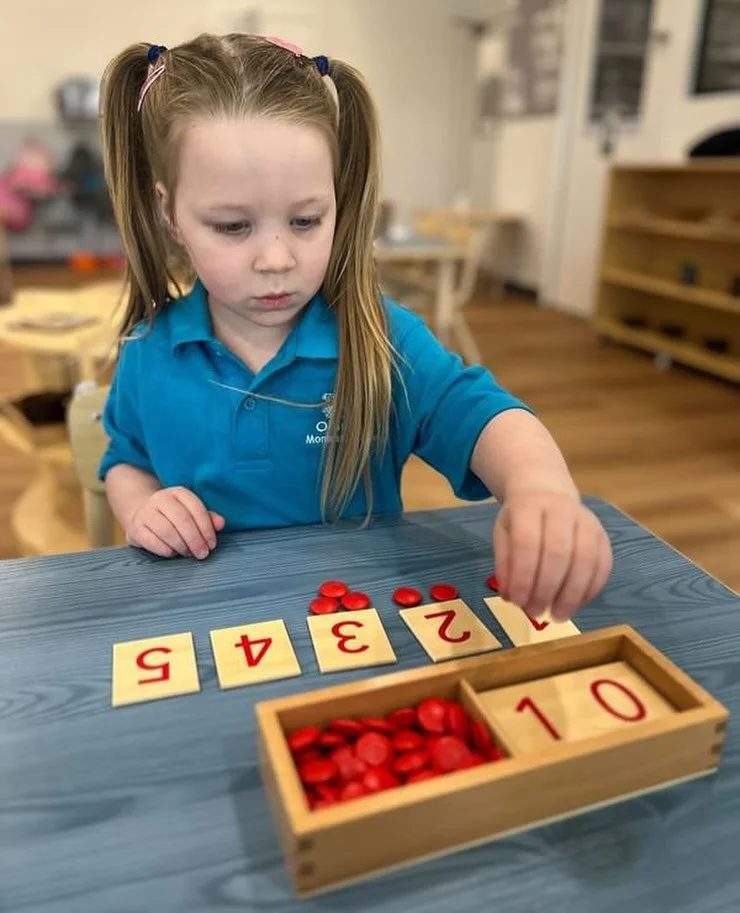
In the early years of life, children have what Dr Maria Montessori called the “absorbent mind.” During this stage, children learn effortlessly by taking in everything from their environment. Without formal teaching, they absorb language, behaviour, movement, and social patterns simply through experience and interaction.
This is why the early years are so important — the environment becomes the child’s teacher, shaping their understanding of the world.
Sensitive Periods of Development
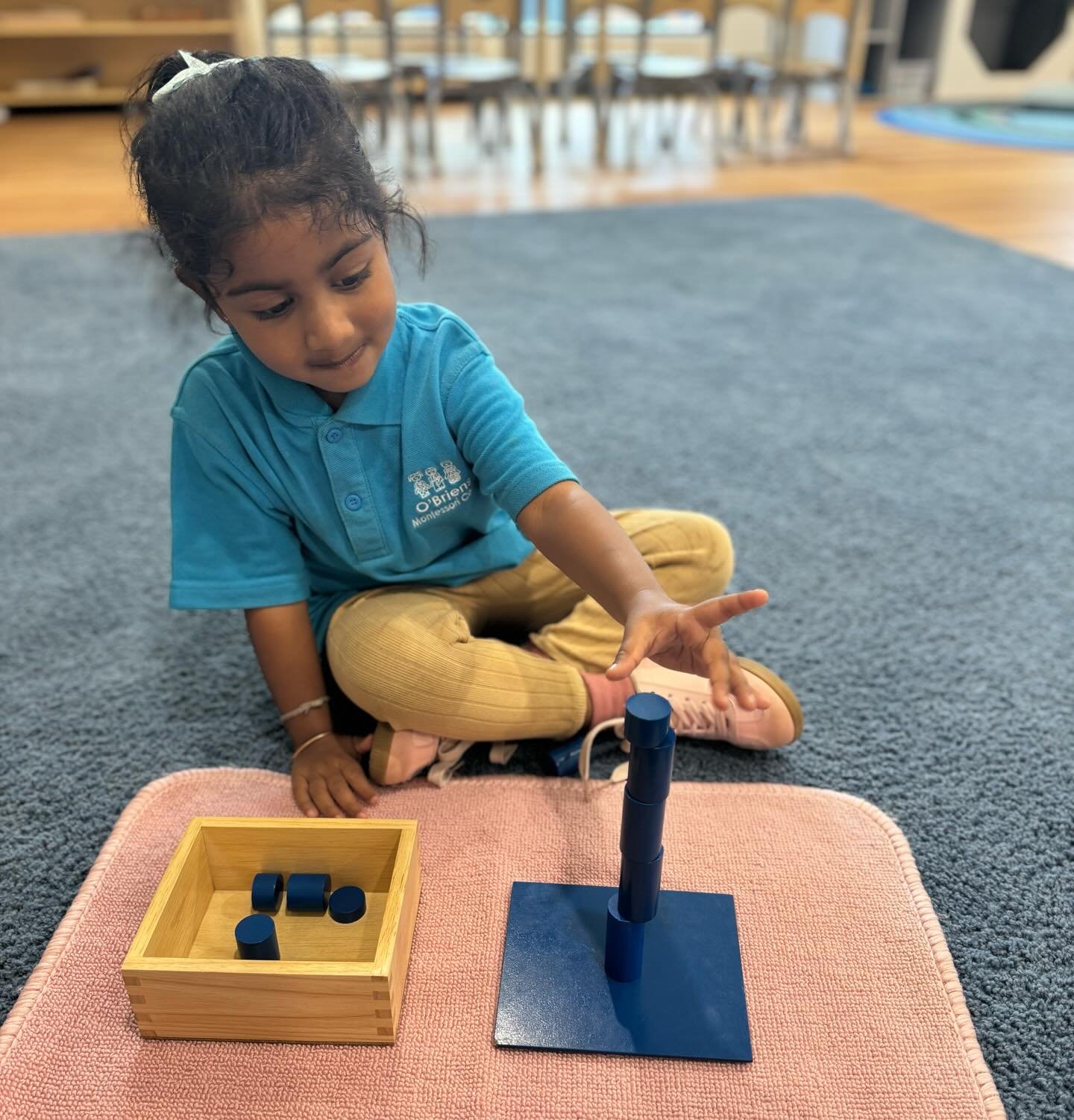
Dr Montessori identified “sensitive periods” as windows of time when children are naturally drawn to develop specific skills such as language, movement, order, and social interaction.
During these periods, learning happens with ease and enthusiasm. While these skills can still be learned later in life, they require more effort once the sensitive period has passed. Recognising and supporting these stages allows children to reach their full potential.
The Prepared Environment
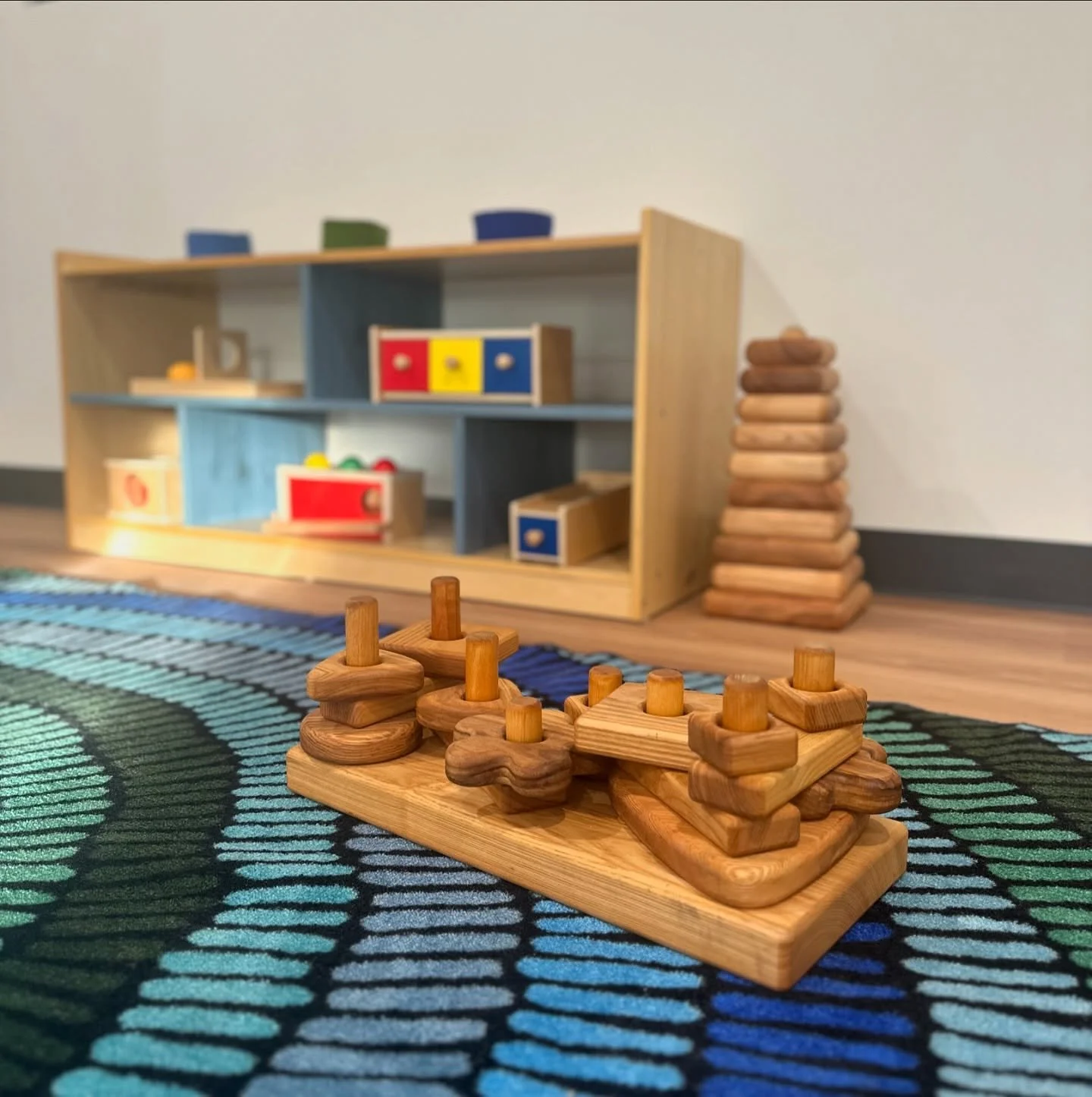
Montessori believed that children learn best in a carefully prepared environment designed to support independence and exploration. This environment is calm, structured, and filled with purposeful materials that encourage hands-on learning.
Within this space, children are free to choose activities, work at their own pace, and develop confidence, responsibility, and concentration through meaningful engagement.